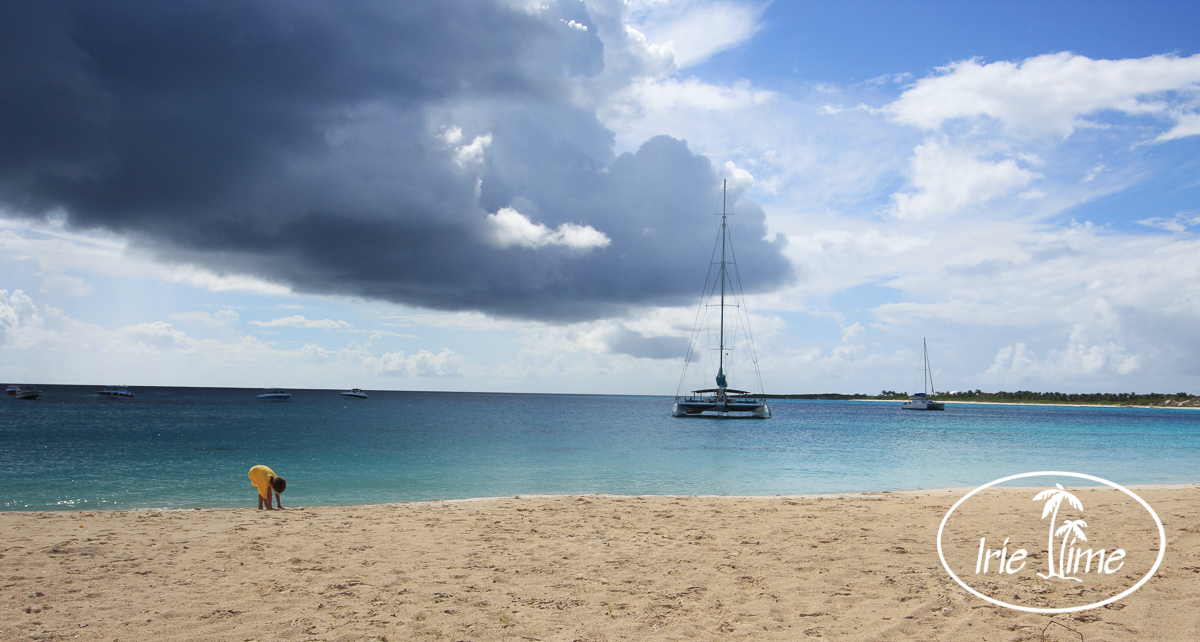
June 1 marks the official beginning of hurricane season in the Caribbean, and we’ve already seen one tropical depression, Alberto. June 1 shouldn’t mean the end of Caribbean travel. The odds that a hurricane will interrupt your trip are still pretty slim. Let the old rhyme about hurricane season be your guide: June too soon July stand by August come it must September remember October all over . . . Although your chances of experiencing a hurricane are small (check out the statistics here), you can follow hurricane activity in the region at the site of the NOAA/National Hurricane Center and on StormCarib, a great resource for seeing what storms are brewing.…
-
-
There’s an old rhyme about hurricane season in the Caribbean: “June too soon, July stand by, August come it must, September remember, and October all over . . .” Unfortunately, this year, October was not “all over” as Hurricane Matthew slowly crept through the Caribbean and up the coast of the United States. After nearly two weeks, it left over 1,000 dead, along with the destruction of buildings, trees, and essential public services in its wake. Directly in its path was the island of Andros, which we just visited a few months ago when all was calm and peaceful. Hurricane Matthew left the island without power, water, or sanitation, and left many homes and…
-
Many people rule out a Caribbean vacation during the summer because they don’t want to travel during hurricane season. Hurricane season officially begins June 1 and runs through November 30. Every trip featured here on My Irie Time was taken either the beginning or end of hurricane season, and you would never know it by browsing through our photos. Travel during the “shoulder season” can be a great way to visit the region, when rates are lower than the holidays, and the weather is great. The Caribbean is home to some great festivals during the summer and fall months as well, including Crop Over in Barbados (May through August), Crab…
-
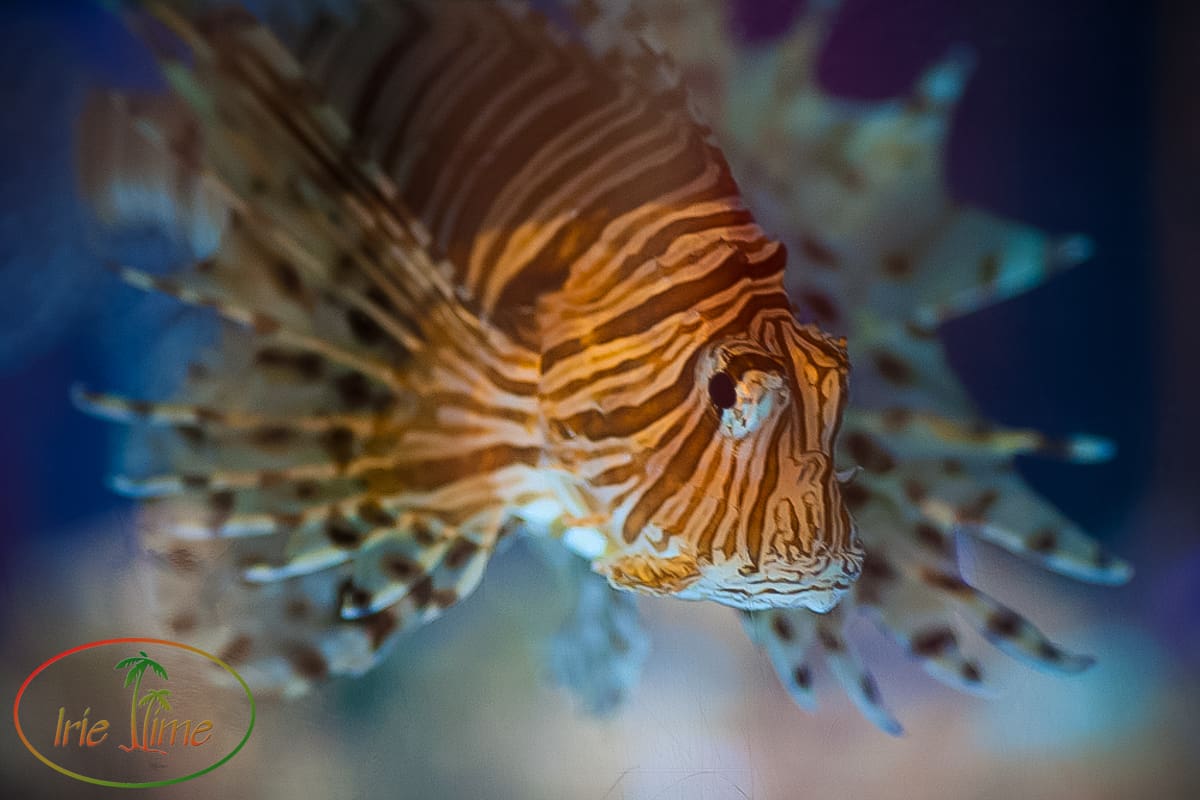
The Roar of the Lionfish When a species is introduced into a place unknown to it before, the consequences can be devastating. The coastal United States and Caribbean nations are currently threatened with the invasion of a species of fish which has no predators in the region, other than man, and which may be responsible for wiping out the beautiful fish of the Caribbean region which delight snorkelers and divers who visit the area. The lionfish, (family Scorpaenidae, genus Pterois), is native to the Pacific Ocean waters. Although it is difficult to pinpoint their origins in the Caribbean, many attribute it in large part to the the breach of an aquarium off Biscayne…