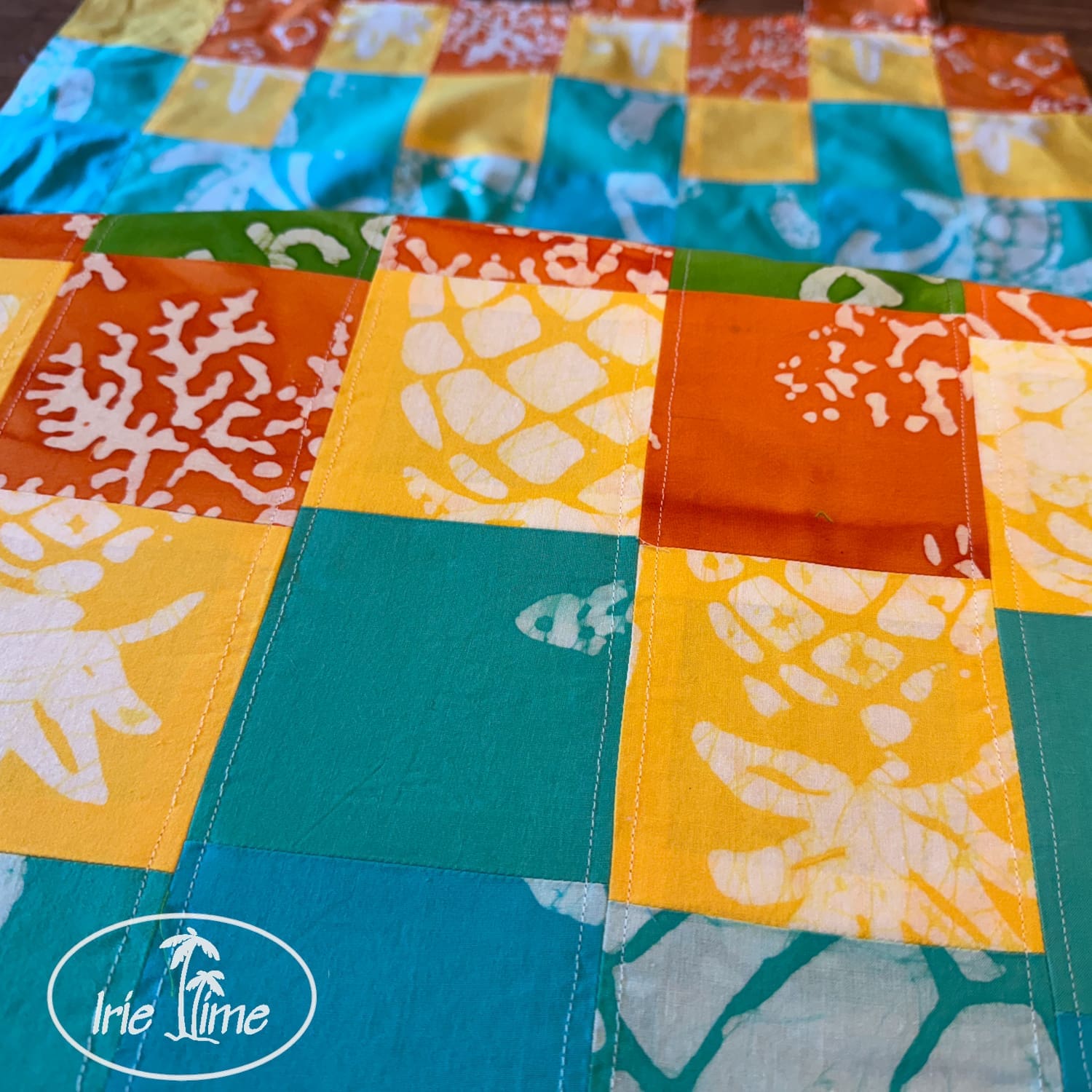
I love the handmade madras fabrics from Androsia Batik, Andros Bahamas. For some behind-the-scenes at the workshop, check out our post from our visit back in 2016: A Visit to Androsia Batik. After collecting the different patterns over the years, I decided to make a patchwork fabric and sew a skirt. I love madras patchwork, but there are not a whole lot of tutorials on how to make the fabric, so while I was making my skirt, I decided to document the steps so that you can make your own madras patchwork fabric.
Before beginning, wash the fabric as instructed by the fabricator. Androsia included a card which advises to wash the fabric separately on the first wash to remove any residual dyes. Then iron all of your fabric before beginning.
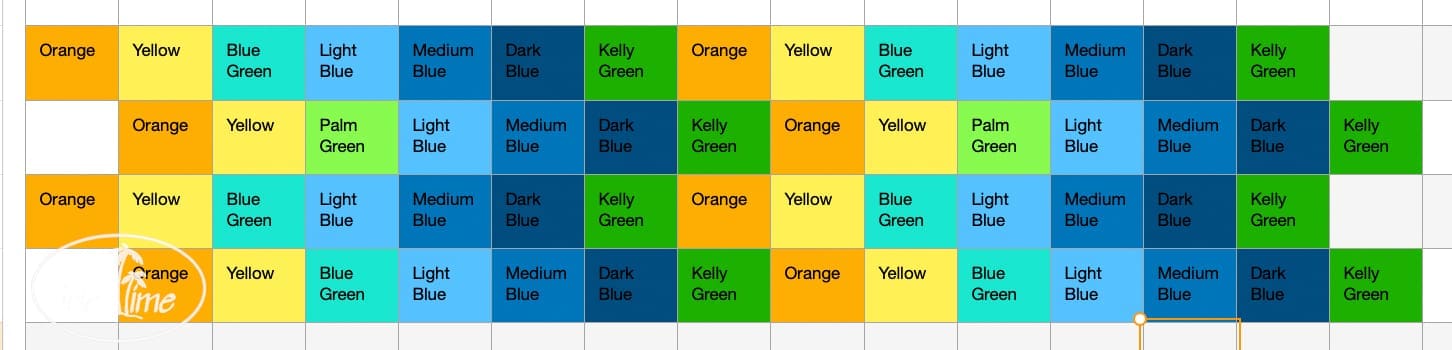
Before you start cutting fabric, plan out your pattern. It will save you a lot of headaches later. I made two different patterns for my skirt, but for each, I had six colors. I wanted to be able to make the patchwork using a strip sewing method to make it faster to put it together. By that method, you cut strips of each color, join them on the long edge, and then cut strips the opposite direction. That leaves you with long strips of squares. You then want to sew those together along the long edge. To get alternating colors to look like patchwork, you shift the strips so that the colors don’t line up directly. Then you sew the long edges together and place your pattern on top and cut out your pattern. So here is the step by step, with photos of every step along the way.
Step One: Cut strips of each color, cutting from selvage (machine-made edge, not cut edge) to selvage. I cut my strips 5″ wide.
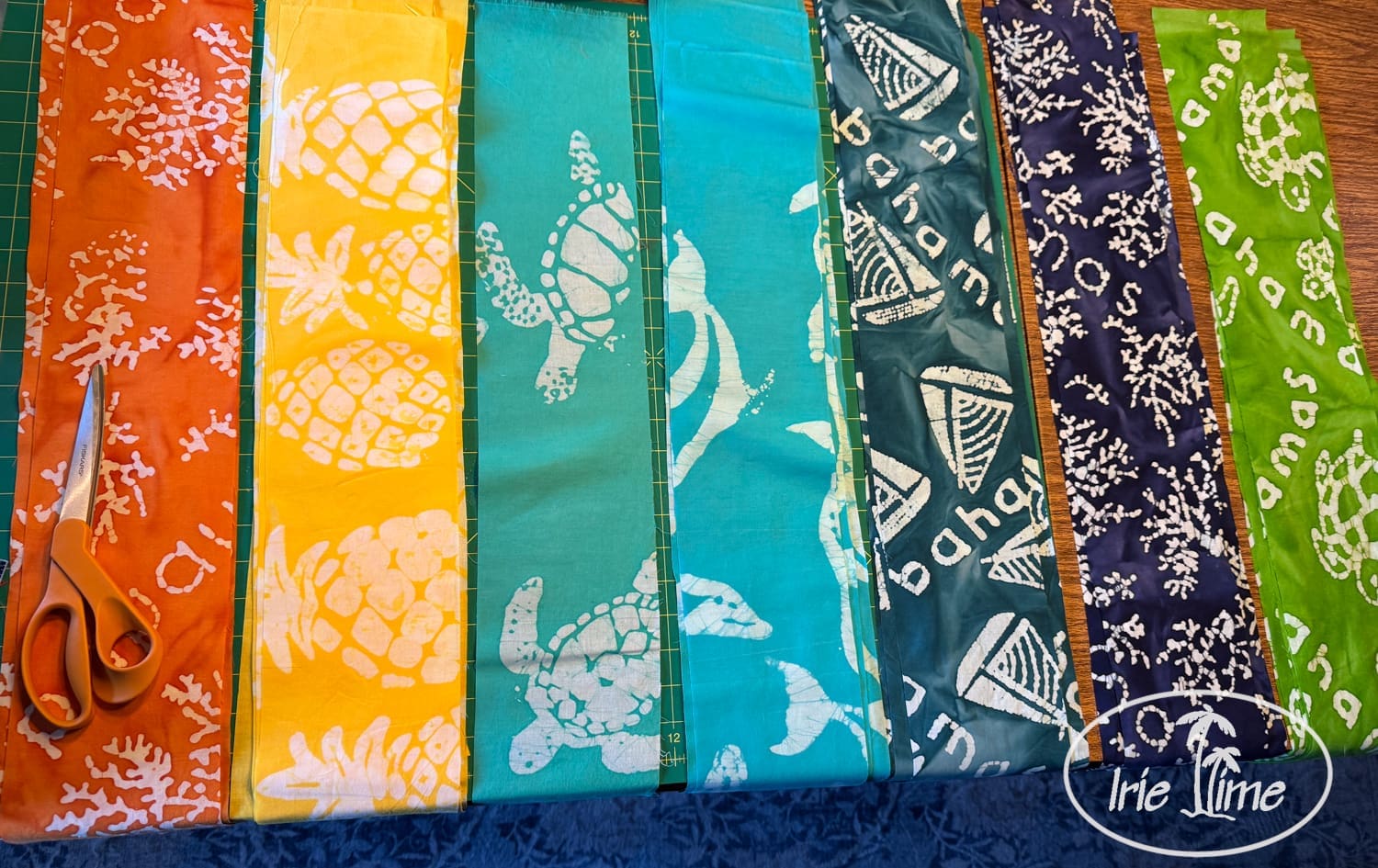
Step Two: Sew the long edges together. Press the seams open.
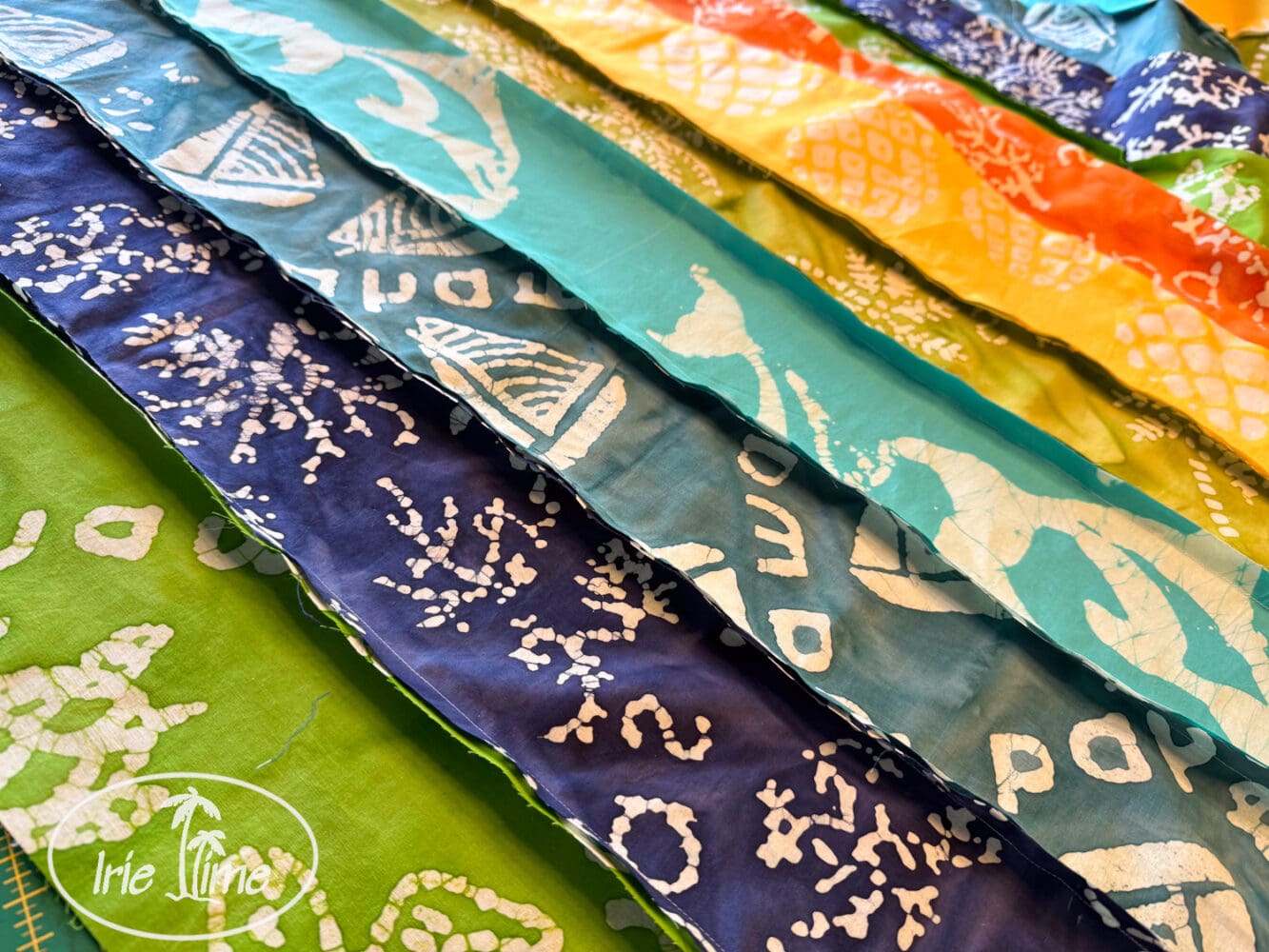
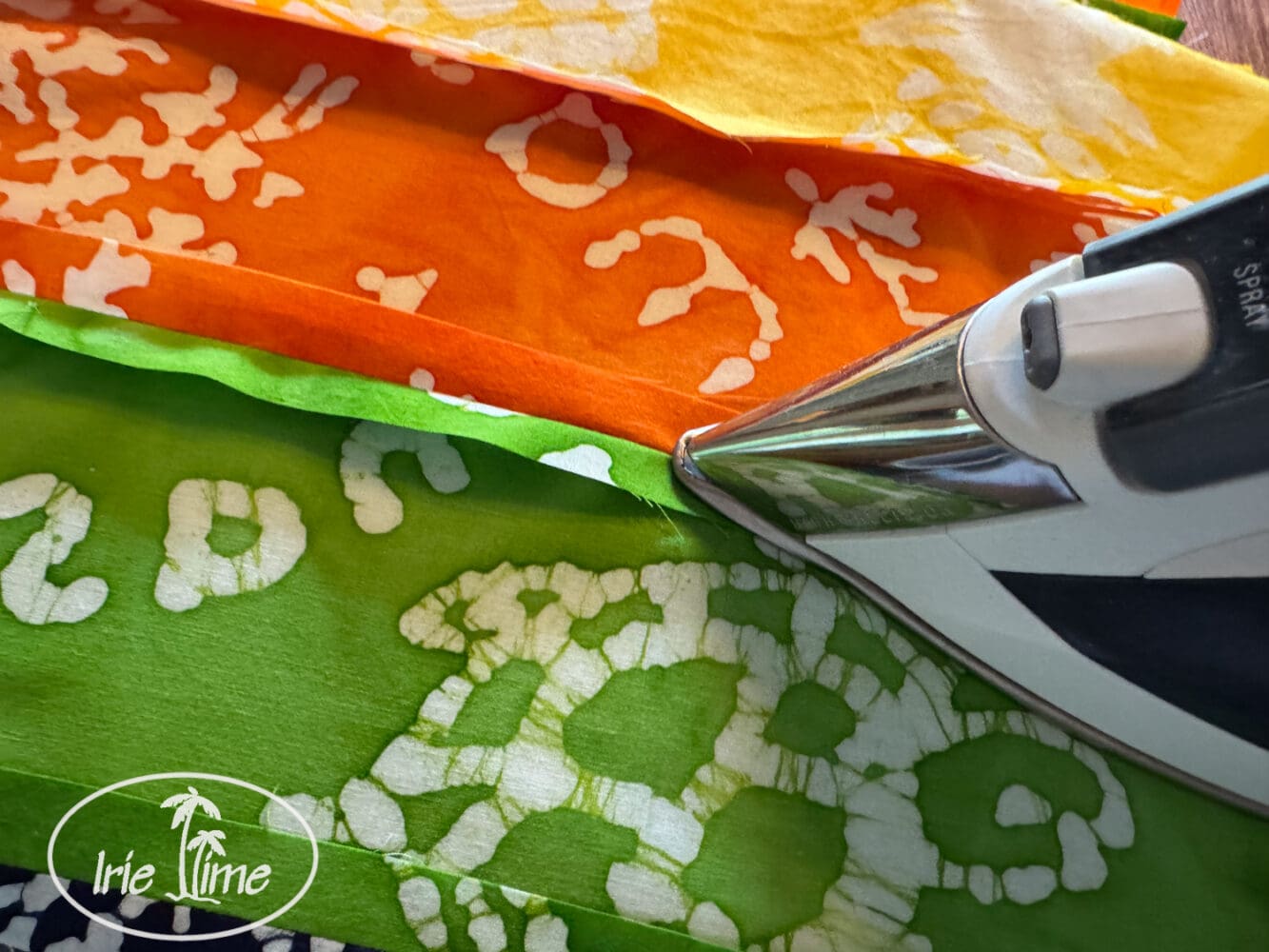
Step Three: Cut strips perpendicular to your seam lines in the same width as you cut the initial strips (mine were 5″). You will now have strips of colored squares. Set them out on a flat surface and adjust the strips as you initially planned so that the same colors do not line up. You can shift alternating strips or flip them around to play with how the colors line up.
Step Four: Sew the long edges together, lining up the seams on your squares. If you don’t cut precisely, they may not match up perfectly. Life goes on. Once sewn together, minor variations are not noticeable and quite frankly, that’s part of something made by a human instead of a computer or machine.
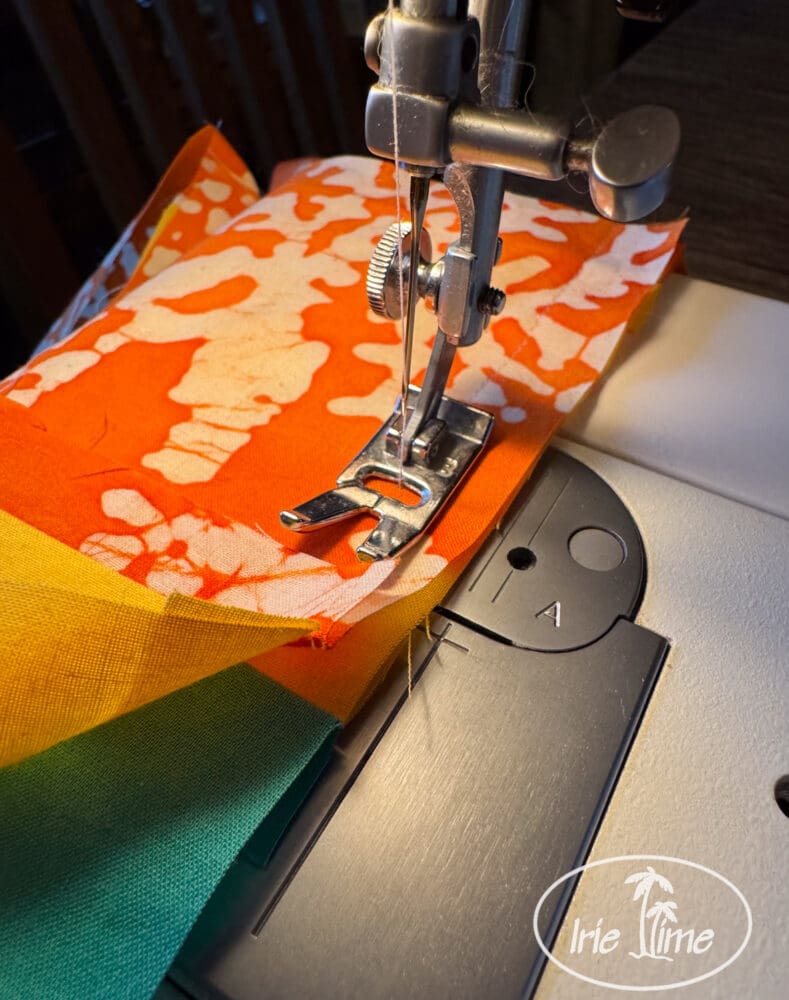
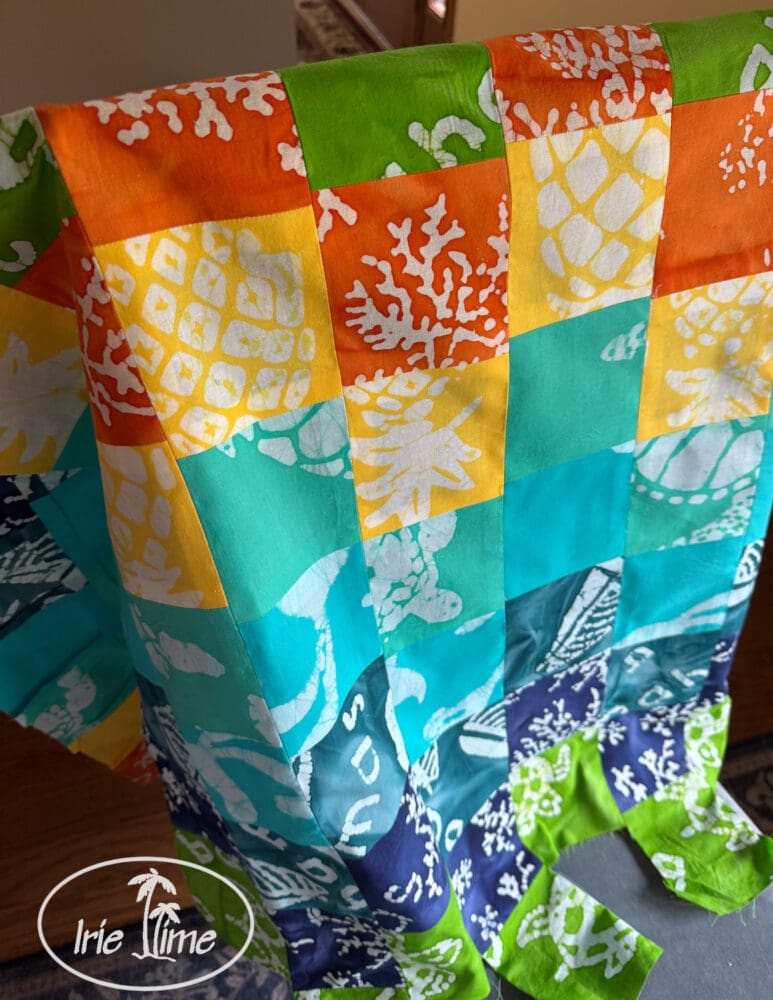
Step Five: We want those seams to be reinforced, so we press open those seams, and on then sew a line on each side of the seam, holding the seam allowances against the fabric. Press everything flat.
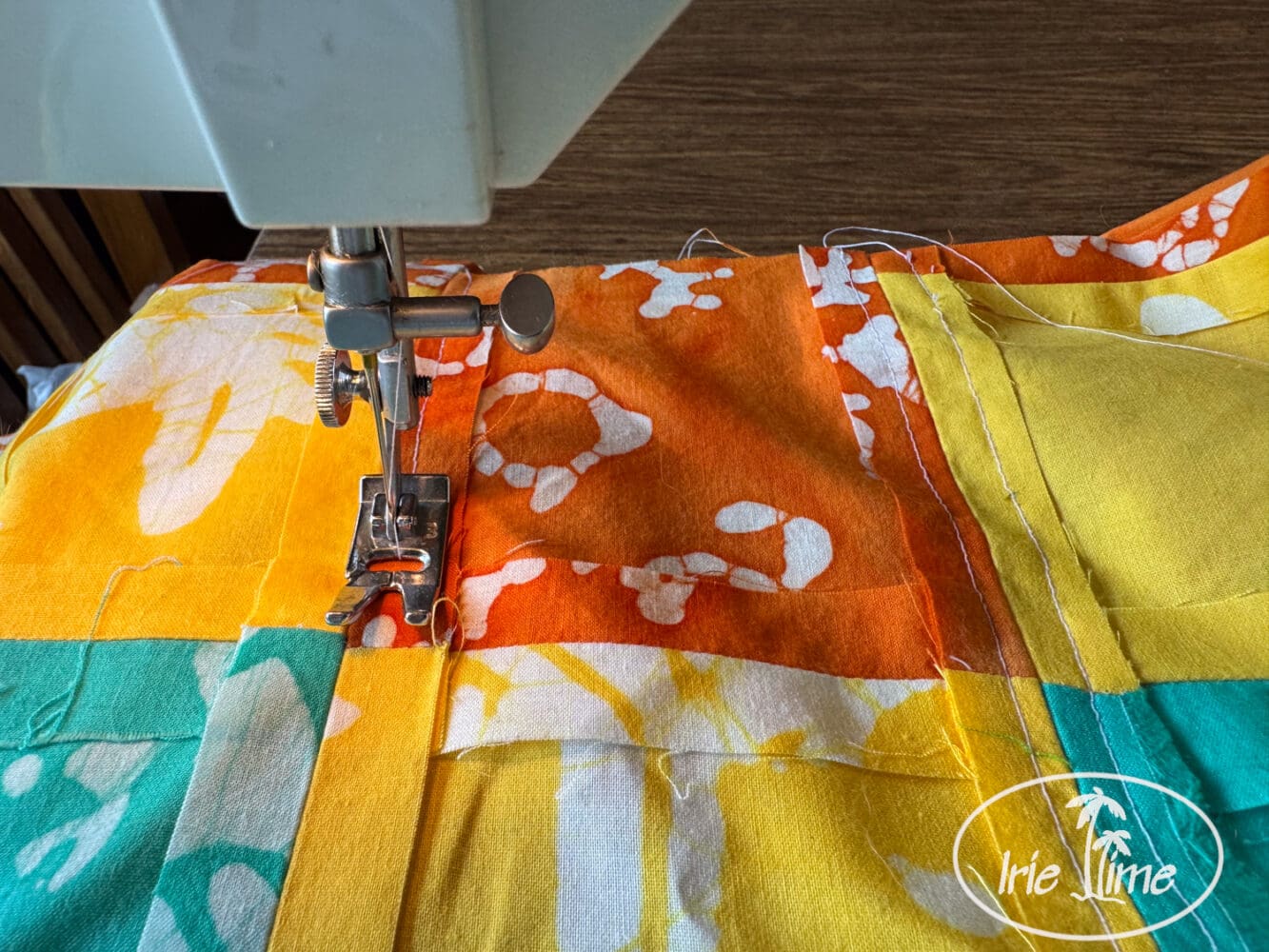
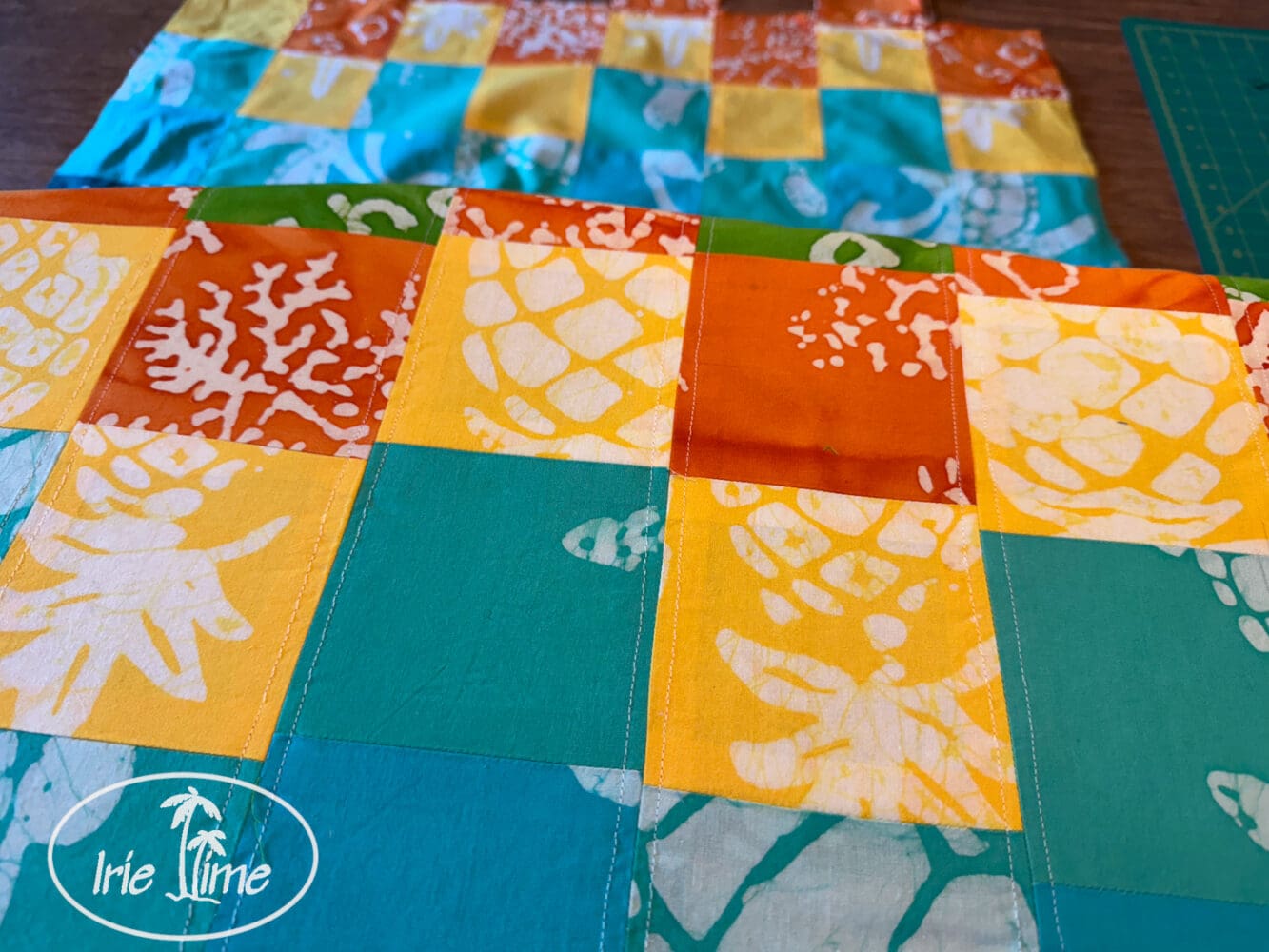
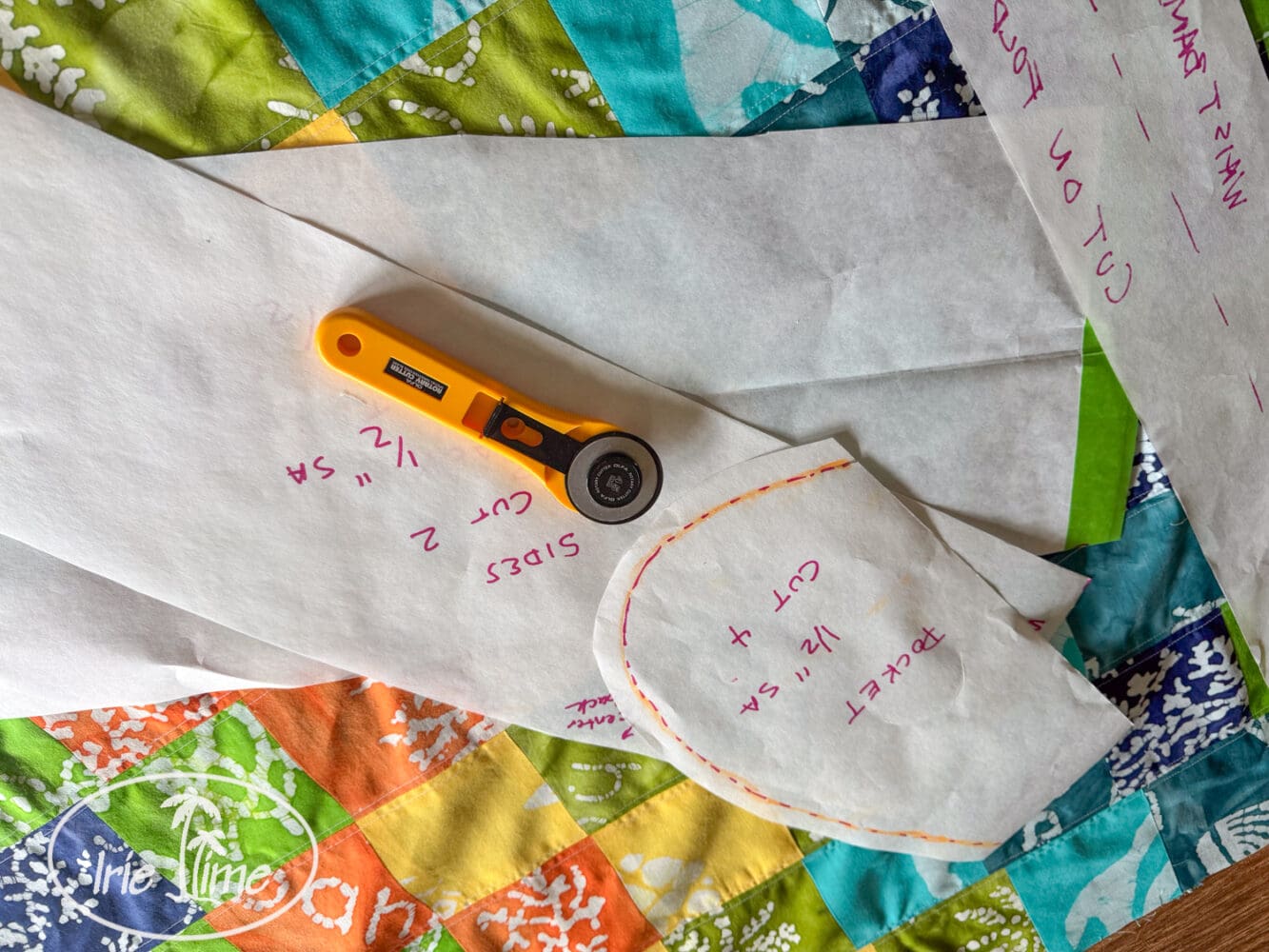
Now we have a piece of madras patchwork fabric. Next bust out your patterns and cut out your pieces. For this skirt, I made a pattern using a wrap skirt that I loved (I love Rip Skirts!). So I cut out the skirt pieces, and put it together. I used a solid piece of fabric for the pockets so that they were nice and smooth when you put your hand in, and so that they would allow the skirt to lay flat.
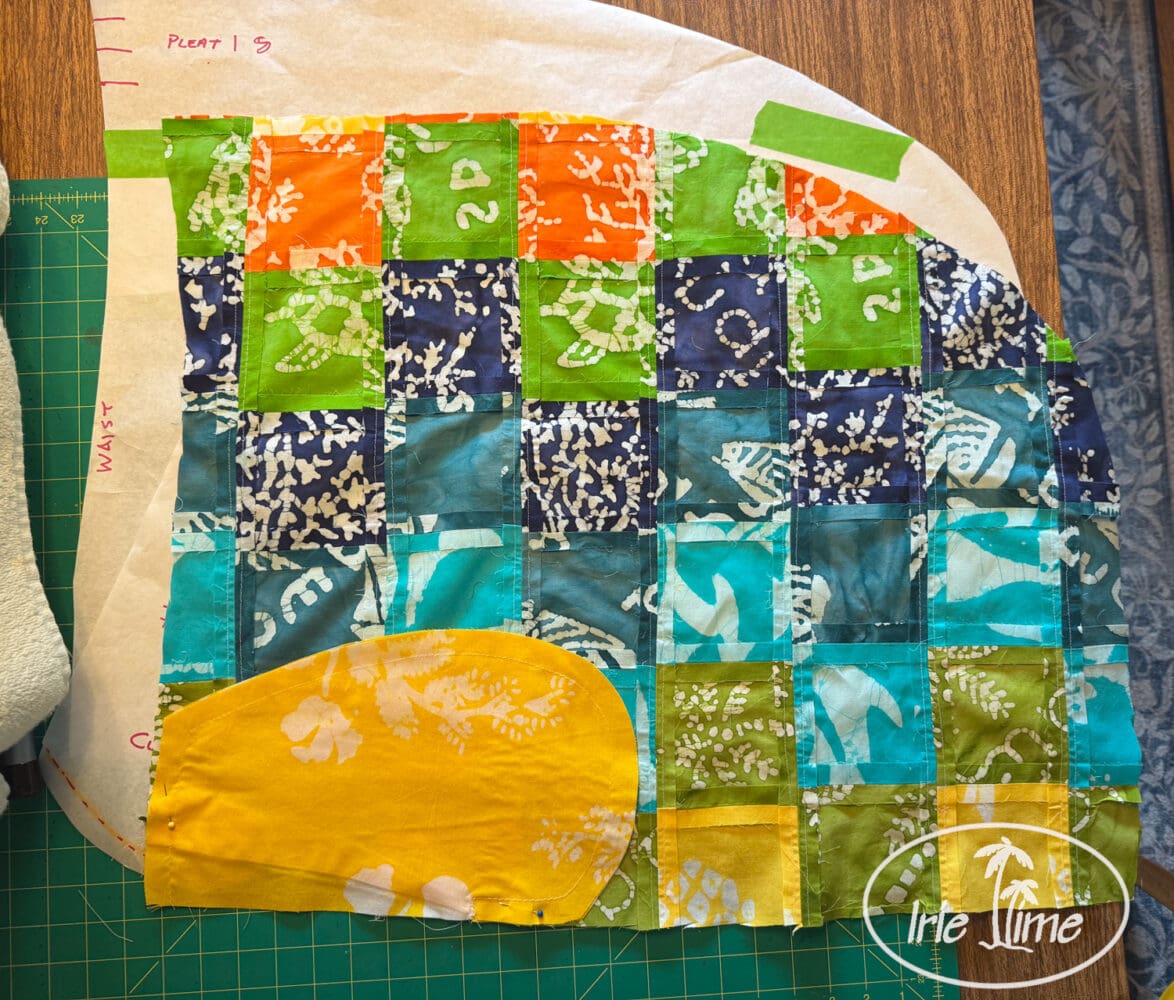
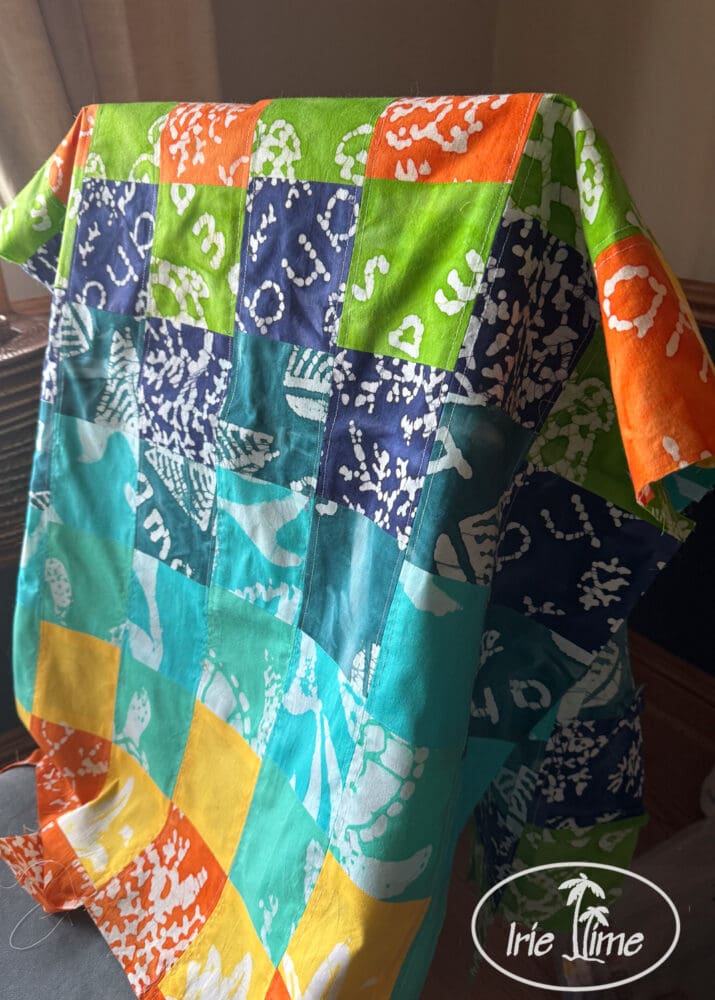
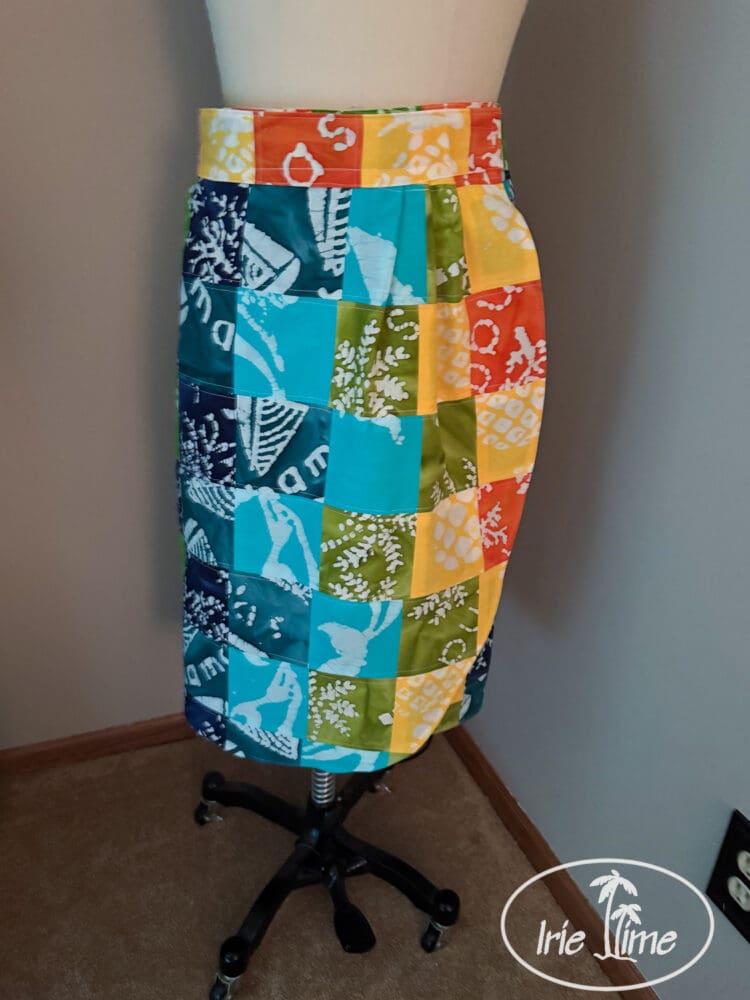
Patchwork fabric adds a great look to clothing, but also home goods, such as pillow shams or to line a blanket. Use your imagination and enjoy the beautiful madras fabric. Androsia Batik offers a variety of colors and patterns. If you can’t visit the shop, check out their online shop here. Androsia Batik Online Shop