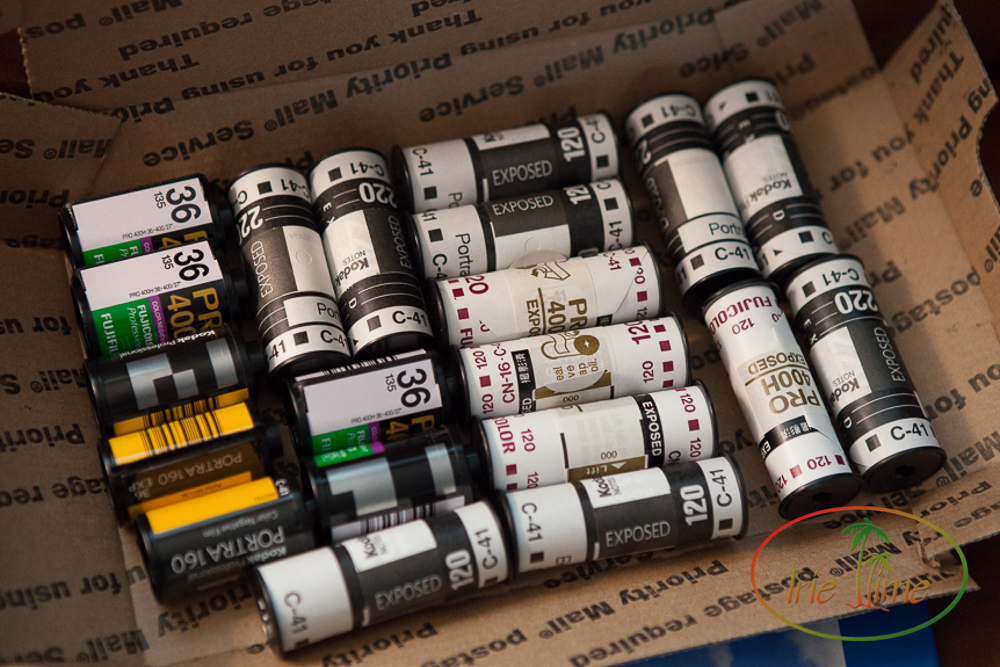
Over the years, I have posted “What’s in My Bag?” about various trips. On the last two trips, I have traveled with both digital and film cameras, and I wanted to do a separate post on traveling for hybrid shooters. As you might expect, it’s easier to travel with digital. Memory cards are small, and you don’t have to worry about the effect of x-ray machines at security checkpoints. I also feel more comfortable experimenting with digital. You can try new techniques, and the only loss is your time. However, I find that there are times when I prefer film over digital, and it’s worth the extra effort. There are…
-
-
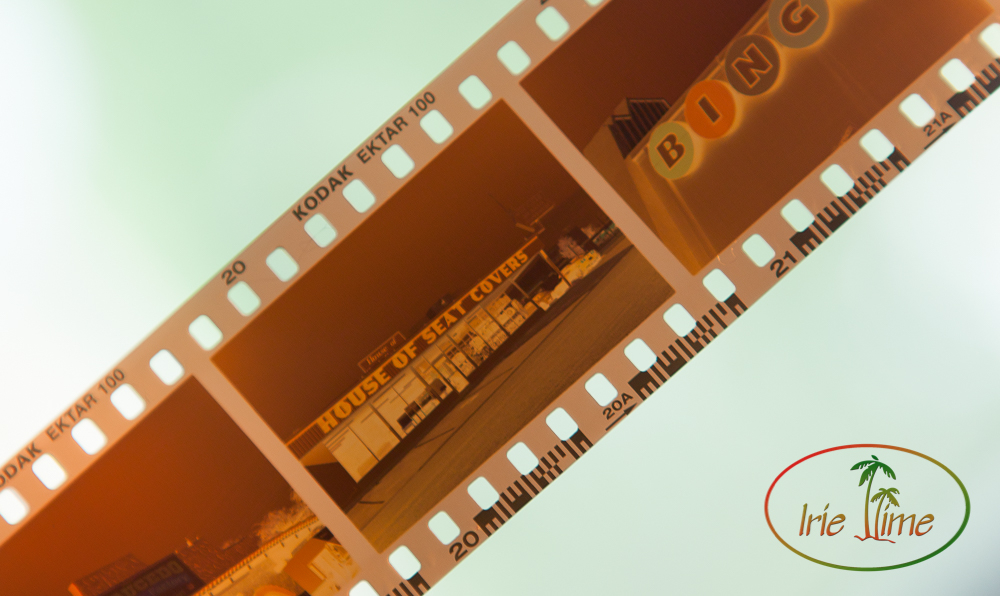
Is this a cooking post or a film photography post? Well, a little bit of both. Today, I processed my first roll of color film ever, and processed it with a sous vide. Back when I shot film, I used to process black and white film myself. It wasn’t too hard, once you got used to feeling your way around a roll of film in a changing bag. I never got into processing color film, primarily because of the difficulty in controlling the temperature. I understood that temperature control was far more critical in color film processing, and I had difficulty getting the temperature right. Color film processing seemed beyond…
-
Last November, on our first trip with film in eight years (#filmroadtrip: Road Test – Anguilla), we learned a lot of lessons. One of my missions on this trip was to correct at least some of the mistakes I made. So on this #FilmRoadTrip: Road Test – Barbuda & Antigua, I tweaked a few things, shot more film, and was pretty pleased with the results. As always, though, there is still room for improvement. The Film Kit Traveling with a lot of gear is not easy. I wanted to shoot both medium format and 35mm, along with my digital, but I wanted to watch the weight. I knew that on…
-
I’m not really a big “activity” person when it comes to vacation. As long as I have a nice beach and beautiful water to swim in, I’m pretty much set. So when I found myself looking forward to what “the Concierge recommends” in the morning “Jumby Journal,” I kind of surprised myself. Not being one to look for things to do, I was excited to see what was “on the menu,” and had a really good time joining in. We were on the island for only three days, but we were able to participate in loads of fun activities, which left us exhausted, but really happy. Here are just some…
-
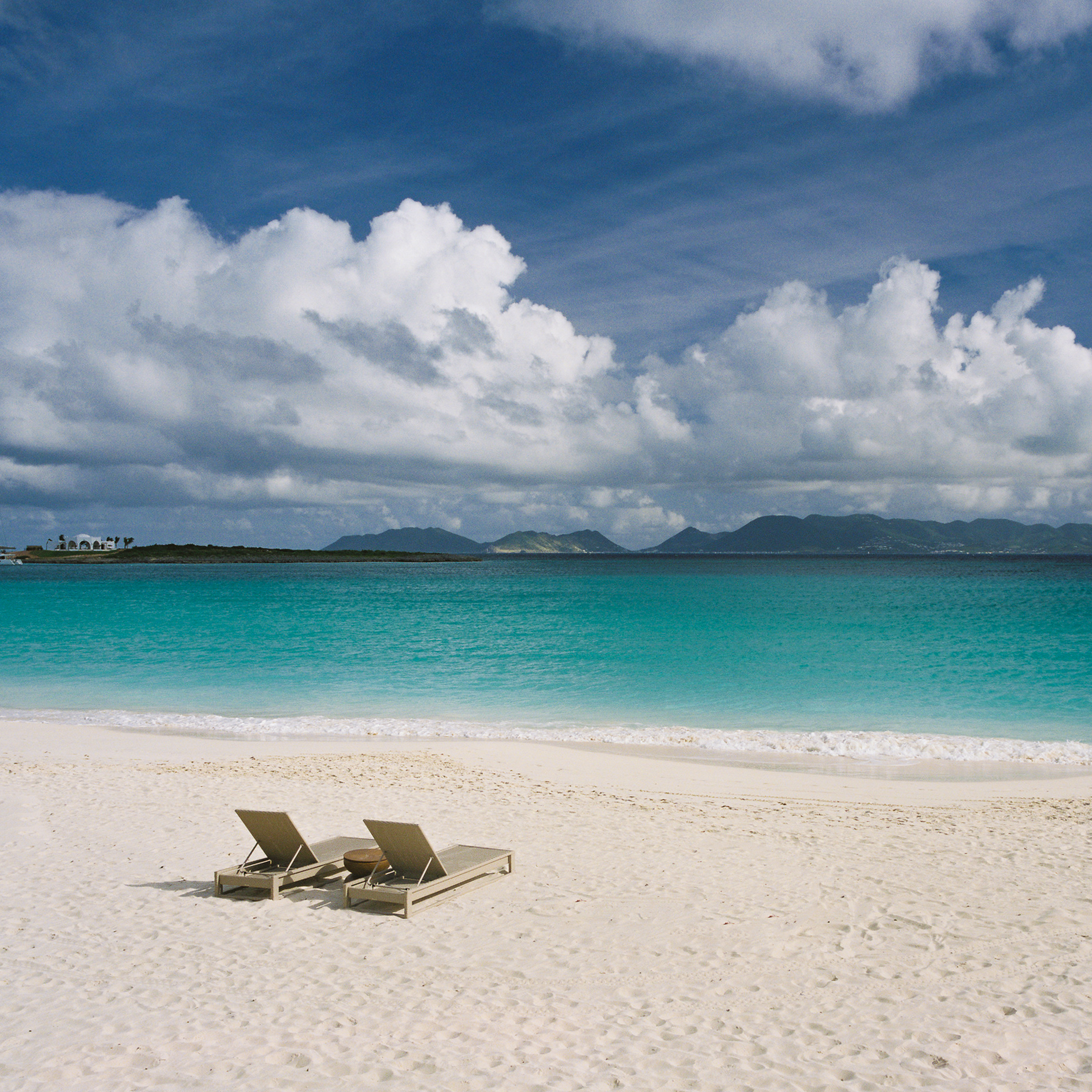
We took the film on the road and the results are back. We took the film cameras to Anguilla, the Canon 1V and the Mamiya Pro TL. We took a variety of film stocks, Fuji 400H, Kodak Portra 400, Porta 160, and Ektar 100. We experimented and burned a lot of film. Many lessons were learned. Here are my impressions of our efforts and the results. 1. Digital has ruined me for film – shooting the same scene again and again. I am so accustomed to shooting RAW and shooting multiple images to try to nail the shot that I wasted a lot of film. For example, I had the…
-
I had a lot of trouble deciding what to pack for this trip. I knew I wanted to shoot some film. In fact, I was more excited to shoot film than digital. This would be our fourth trip to Anguilla in seven years, and in my mind, I kept thinking, “done that.” I wanted a new challenge, to see Anguilla differently, so I decided to take my film on the road. With that decided, I still had a tough time deciding what cameras to bring. I knew that the Canon 1v used the same lenses as my digital SLR, so I wasn’t really adding much in terms of weight/space requirements.…
-
It’s time to take some film gear on the road! After weeks of planning what gear to pack for this year’s trip to Anguilla, I’ve decided to take at least one film camera. Follow along on our trip with the hashtag #FilmRoadTrip on Twitter, Facebook, and Instagram! More of our film photography posts can be found on our sister site, Film Road Trip. Enjoy! [the_grid name=”Film”]
-
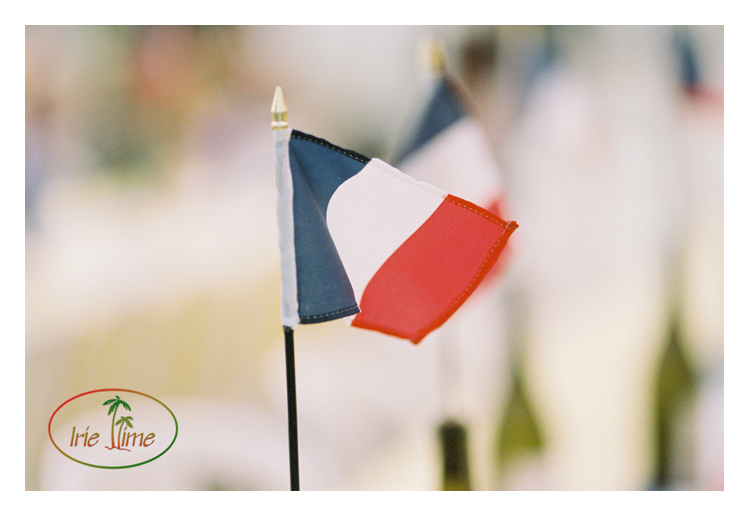
Tests shots were finished. It was time to take my film project on the road and put it into action. In July, I took my film cameras to Bastille Days here in Milwaukee, Wisconsin. When people think of Milwaukee or Wisconsin, they generally think of beer, brats or cheese. If they think about the ethnic origins of the area, they generally think of the Germans or Polish settlers to the area. Often overlooked is the fact that the first explorers were French. The first European known to explore the area was Jean Nicolet, followed by Father Jacques Marquette, a Jesuit missionary, and Louis Joliet, a fur trader, exploring and mapping the waterways through…